
About
Our mission, as creators and curators of the built world, is to design environments of contemporary relevance and timeless endurance.
This mission has guided the firm for more than five decades and has shaped a broad and award-winning practice providing comprehensive services, including programming, architecture, historic preservation and adaptive reuse, interior design, campus planning, urban design, and graphic design.
Many of our projects involve the stewardship of historic and sensitive urban sites, the work for which we have become best recognized. From planning, to restoration, to the design of new buildings, a persistent exploration of historic, cultural, and civic meaning guides our work—all interpreted through a contemporary design sensibility that reflects the materials and technology of today.


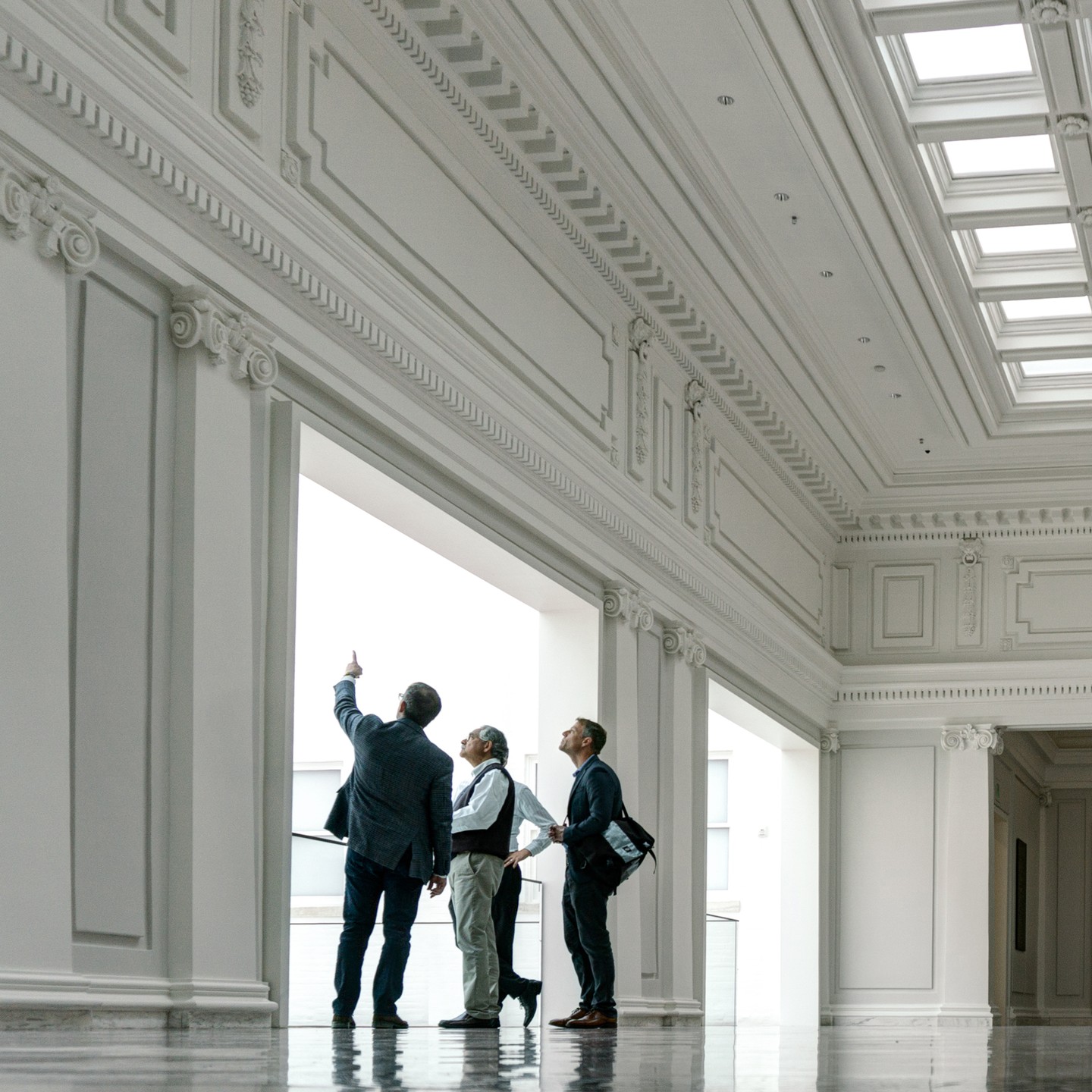


To advance our mission, BBB fosters a firm culture of collaboration and openness. We empower staff to explore their passions by pursuing initiatives around research and development, sustainability, and historic preservation.
Beyer Blinder Belle Foundation
On the firm’s 40th anniversary, we established the Beyer Blinder Belle Foundation, a separate 501(c)(3) that advances the role of architecture, planning, and preservation in strengthening physical and social fabric through travel fellowships, community planning grants, and scholarships.
BBB History: A Timeline

Beginnings
In 1968 John H. Beyer, Richard Blinder, and John Belle founded an architecture and planning firm in New York City with a decidedly social mission. Sparked by the urban renewal movement, which compromised the social fabric of cities, communities, and buildings in the United States, the firm’s founding ethos focused on the social integrity of communities and institutions as a means to better the daily life of people.
1970s

Roots in Housing & Community Development
Social housing projects in Brooklyn, Manhattan, the Bronx, and New Jersey launched the firm’s renovation portfolio. By seeking to re-use and revitalize buildings rather than demolish them, BBB was at the forefront of the sustainability movement. The firm’s work on historic buildings in sensitive urban sites was diversified with larger-scale planning projects in the tri-state area and beyond.
1980s

Expanding Influence on Urban Transformation & Preservation
With expertise and belief in historic preservation as a catalyst for the economic revitalization of cities, BBB expanded the partnership to include Frederick Bland and James Marston Fitch, founder of Columbia University’s Historic Preservation program and BBB’s first Director of Historic Preservation. BBB’s growing reputation resulted in significant adaptive reuse and renovation projects including transforming the DUMBO industrial neighborhood in Brooklyn to include residential life.
1990s

Icons, Cultural Institutions & Higher Education
Shortly after the firm celebrated its quarter century, BBB not only won a major commission to renovate and restore Grand Central Terminal but also led the preservation and adaptive reuse of an American treasure, the Ellis Island Museum of Immigration, thereby securing a national reputation for enlivening old buildings for new uses. In parallel, BBB’s social mission organically led to work with cultural and educational institutions.
2000s

Expansion & Diversity of Practice
BBB opened offices in Washington, DC, and Beijing, and added new partners, reflecting a growing and diverse practice. BBB also began to design large-scale new construction projects—the Muhammad Ali Center in Louisville, KY; Central Place in Arlington, VA; and the Shanghai Cultural Plaza—and comprehensive master plans for Princeton University, Harvard Business School, and University at Buffalo.
2010s
Reinterpreting Roots
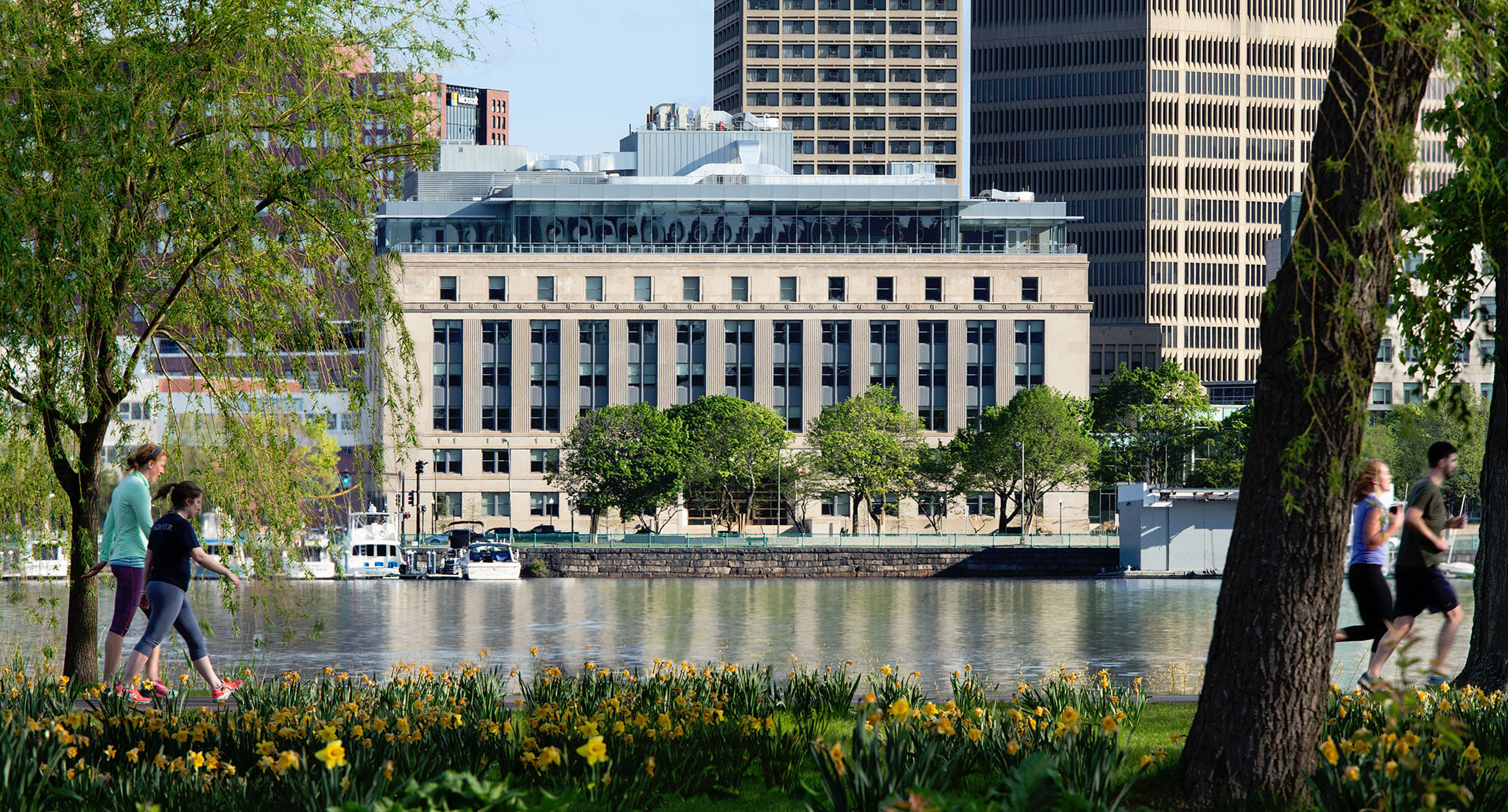
While designing a growing portfolio of new residential and mixed-use projects, BBB renewed its commitment to providing high-quality affordable housing. The firm opened an office in Boston to serve higher education clients including Harvard, MIT, and Dartmouth. Transformative large-scale facility planning and urban design projects included the Metropolitan Museum of Art and Essex Crossing in New York and Capitol Crossing in Washington, DC. BBB also created RED, an internal firmwide research and development initiative that supports BBB’s thriving culture of curiosity.
2020s
Firm Transformation & Growth
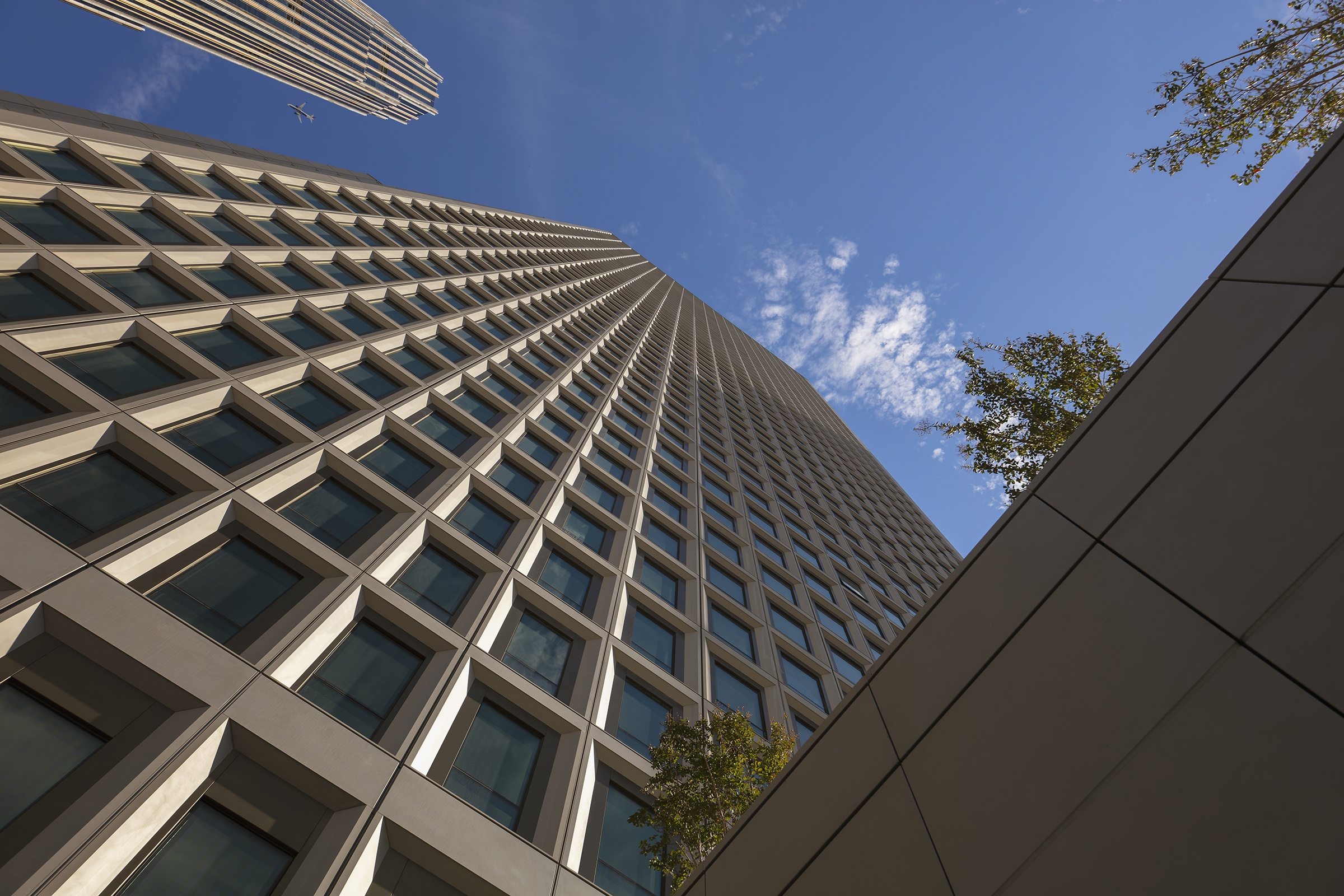
Welcoming a third generation of partners and a new Managing Partner, Elizabeth Leber, BBB embraced new technologies and innovations in design, construction services, and project delivery. The firm integrated LVCK, a graphic design and wayfinding studio, and expanded the scale of its new-construction practice to include supertall high-rise buildings. In its sixth decade, BBB remains committed to its early preoccupations: people, communities, and cities, and the creative balance of historic resources and contemporary design.